• About
  • Coaching
  • Contribute
  • Contact
  • Privacy Policy
No Result
View All Result
Newsletter
The Patient and Provider Experience Revolution
  • Home
  • Patient
  • Provider
  • Lifestyle
  • Concierge Services
  • Home
  • Patient
  • Provider
  • Lifestyle
  • Concierge Services
No Result
View All Result
The Patient and Provider Experience Revolution
Home Provider

Navigating Narcotic Prescribing

in Provider
Reading Time: 6 mins read
0
0
narcotic prescribing, pain management, opioid crisis, ed doctors, patient care, harm reduction, healthcare empathy

Navigating Narcotic Prescribing: An Empathetic Perspective from the Frontlines

Share on FacebookShare on TwitterShare on Reddit

An Empathetic Perspective from the Frontlines

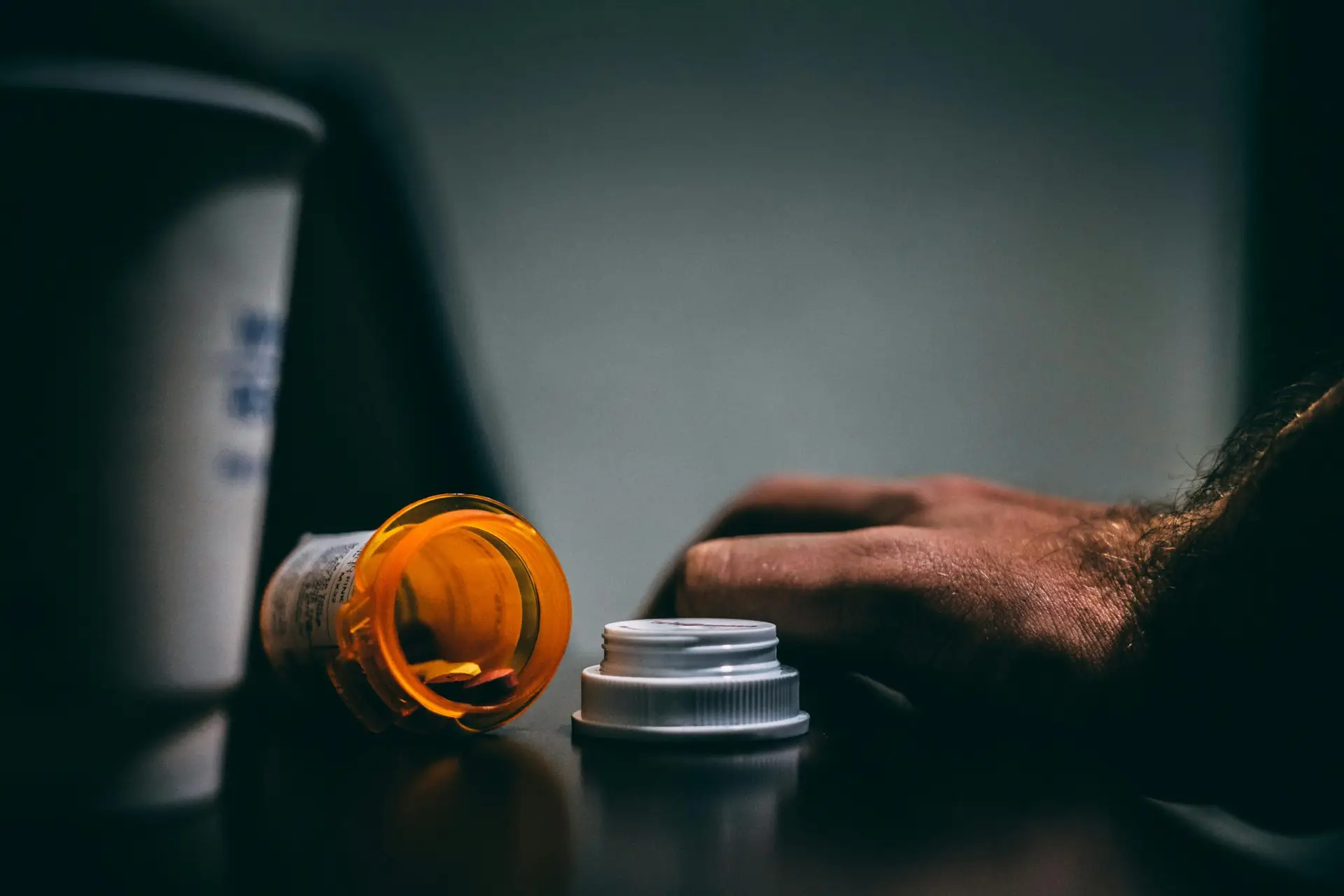
As medical professionals, one of the most challenging responsibilities we face is prescribing narcotics. These powerful medications can bring much-needed relief to patients suffering from acute or chronic pain. Yet, in a world where narcotic abuse has become a widespread crisis, the decision to prescribe often feels like navigating a minefield.

This issue is especially acute in emergency departments (EDs), where doctors frequently encounter patients in severe pain alongside those struggling with substance use disorders. It’s a delicate balancing act: we must address legitimate pain, avoid contributing to dependency, and adhere to the principle that has guided medicine for centuries—first, do no harm.

Let’s explore this difficult topic with empathy, understanding, and a commitment to shared solutions.


A Rock and a Hard Place: The Dilemma of Narcotic Prescribing

In the ED, physicians often see patients at their most vulnerable. Broken bones, post-surgical pain, kidney stones—these are real, immediate, and often excruciating conditions requiring fast and effective pain relief. Narcotics like morphine and hydrocodone can provide that relief when used appropriately.

But at the same time, doctors are acutely aware of the growing epidemic of opioid addiction and its devastating impact. According to the CDC, millions of people in the U.S. struggle with opioid use disorder, and many began their journey with a legitimate prescription. This places ED doctors in a difficult position:

  • Treating pain effectively while minimizing the risk of dependency.
  • Determining the legitimacy of pain complaints in a high-pressure, limited-time environment.
  • Balancing empathy with professional judgment when encountering potential drug-seeking behavior.

The stakes are high on both sides. Failing to treat pain adequately can harm patients, while overprescribing can contribute to addiction or diversion.


Empathy Is Essential: No One Is to Blame

When discussing narcotics and addiction, it’s vital to approach the topic without blame. Substance use disorders are complex medical conditions influenced by genetics, environment, and circumstances—not personal failings. Similarly, physicians navigating narcotic prescribing are not the problem but part of the solution.

What Patients Need to Know

For patients in pain, the frustration of feeling mistrusted can be overwhelming. Many people with legitimate pain worry they’ll be dismissed or labeled as drug-seeking, especially in the ED. It’s important to remember:

  • Doctors want to help. Pain relief is a fundamental part of care. The questions and precautions doctors take aren’t about judgment—they’re about safety.
  • Protocols exist for a reason. Medical guidelines around narcotics are there to protect everyone. They help ensure pain is treated appropriately while reducing the risk of harm.

What Doctors Need to Remember

For physicians, it’s easy to become jaded in environments where drug-seeking behavior is a reality. But maintaining empathy is crucial:

  • Every patient deserves to be heard. Not every pain complaint is fabricated, and assuming the worst can lead to missed diagnoses or inadequate care.
  • Addiction is a disease. Patients struggling with substance use disorder need compassion and resources, not judgment or dismissal.

Strategies for Ethical and Effective Prescribing

Balancing empathy with responsibility requires thoughtful strategies. Here are some approaches doctors can take:

  1. Follow Evidence-Based Guidelines
    Evidence-based guidelines from organizations like the CDC or American College of Emergency Physicians (ACEP) help doctors prescribe safely and effectively. These guidelines typically recommend:
    • Prioritizing non-opioid treatments when possible.
    • Limiting doses and durations of narcotic prescriptions.
    • Using state prescription monitoring programs (PMPs) to identify patterns of misuse.
  2. Communicate Clearly
    Clear communication is key to building trust with patients. When discussing narcotics, doctors can:
    • Explain why certain decisions are being made. For example: “I understand you’re in pain, and I want to make sure we address it while also minimizing the risk of side effects or dependency.”
    • Offer alternatives, such as non-opioid pain relief or referrals to specialists for chronic pain management.
  3. Use a Multidisciplinary Approach
    Collaboration between ED staff, primary care providers, pain specialists, and mental health professionals can create a more comprehensive approach to pain management and addiction prevention.
  4. Recognize and Address Bias
    Studies have shown disparities in pain treatment, with some groups (e.g., racial minorities) less likely to receive adequate pain relief. Physicians must remain vigilant about unconscious biases that can affect prescribing practices.
  5. Provide Resources for Addiction Support
    For patients showing signs of substance use disorder, ED doctors can play a crucial role in connecting them to resources such as addiction counseling, medication-assisted treatment (MAT), or referral programs.

A Shared Responsibility: Moving Forward Together

The narcotic prescribing crisis is not a problem that doctors or patients can solve alone. It’s a systemic issue requiring collaboration, education, and mutual understanding.

  • For Patients: Advocate for yourself with honesty and openness. If you’re in pain, explain your symptoms clearly. If you’ve struggled with addiction, let your doctor know so they can tailor your care appropriately.
  • For Doctors: Keep the lines of communication open and lead with empathy. Every patient’s story is different, and your care can make a life-changing difference.
  • For Communities: Support initiatives that expand access to addiction treatment, improve public education about opioids, and provide alternatives for pain management.

First, Do No Harm

At the heart of medicine is a simple but profound principle: first, do no harm. When it comes to narcotic prescribing, this means ensuring that pain is treated compassionately and effectively while minimizing the risk of harm to individuals and the broader community.

Doctors in the ED face this challenge daily, balancing the immediate need for pain relief with the long-term goal of reducing harm. By leading with empathy, staying informed, and working collaboratively, we can continue to provide care that honors the complexity of this issue—and the humanity of every patient we serve.

Teenydose is your resource for navigating the healthcare world. providing tips for patients who seek help with medical questions and for providers who need resources to help their patients best. if you love what you read here, don’t be selfish. share it with your friends. we would love to hear from you if you have suggestions or wish to be a contributor.

Visit www.shariandrews.com and www.peakpulse.health for wellness solutions and personalized concierge services. I’m your partner in prioritizing health and making sense of your healthcare journey.


Previous Post

Introducing Dr. Shari Andrews

Next Post

What Is Concierge Medicine

Related Posts

community health advocate
Provider

Empowering Communities

The Vital Role of Health Education and Awareness Hey, Teeny Dose fam! Today, we're diving deep into a topic that's...

Behind the Scrubs
Patient

Behind the Scrubs

A Call for Empathy and Understanding As an emergency department physician, I have seen it all – from minor cuts...

Home
Patient

Stop Treating Symptoms and Start Finding the Root Cause

Are you tired of taking medication for a medical condition without seeing any long-term improvement? It's time to take a...

Load More
Next Post
What Is Concierge Medicine, and How Can It Benefit You?

What Is Concierge Medicine

Search

No Result
View All Result

About The Author

Shari Andrews, MD

Dr. Shari Andrews

Emergency Medicine Physician & Wellness Coach

Dr. Andrews is a board certified emergency medicine physician with a passion for educating and empowering individuals to take control of their health. As the current President of the medical board at her hospital, she has been recognized for her leadership in medicine and was even named Doctor of the Year. Through her blog Teeny Dose, Dr. Andrews provides valuable insights and practical tips for improving health, wellness, and healthcare. She has been featured in various media outlets including the Dr. Oz show and Tamron Hall Show, and has a strong social media presence where she leads by example and inspires her audience to prioritize their health.

Statement Piece NY best online women Statement Piece NY best online women Statement Piece NY best online women
ADVERTISEMENT
Peak Pulse Health App, Dr. Shari Andrews Peak Pulse Health App, Dr. Shari Andrews Peak Pulse Health App, Dr. Shari Andrews
ADVERTISEMENT

Instagram

  • What supplements do I actually use? The ones that pass my personal doctor-mom test. not what’s viral. not what’s trendy. what’s sustainable, transparent, and effective. read the full post on teenydose.com to learn how I think through this stuff and why it matters. 

#supplementsimplified #doctorapproved #wellnessjourney #healthylifestyle #busyprofessionalmom womenshealth teenydose
  • You can be a boss. You can be a mother. And yes,you can still be you.
Somewhere along the way, we lose ourselves in the doing. In the serving. In the performing.
But the version of you that feels alive, clear, and fulfilled? She’s still in there.
Preorder Find Your Pulse: Thriving in Career, Motherhood, and Self Identity and take your first step back to her.
Link in bio.

#findingyourpulse #workingmomlife #reclaimyouridentity #burnoutrecovery #selfcareforhighachievers #womensupportingwomen
  • Can women really have it all? The truth is, balance doesn’t mean splitting your time perfectly between work, motherhood, and personal goals. It means knowing when to prioritize what,without guilt. If you’re tired of feeling stretched too thin, today’s blog is for you. Let’s talk about how to create a life that feels fulfilling, not just busy. Read it now..link in bio.

#workingmomlife #burnoutrecovery #findingbalance #peakpulsehealth #selfcareformoms
  • Burnout doesn’t start with total exhaustion…it starts with small signs we often ignore. Feeling mentally foggy, constantly tired, unmotivated? It’s time to stop pushing through and start paying attention. In today’s blog, I’m breaking down the real signs of burnout and what you can do to recover before you hit rock bottom. Read now. link in bio.

#burnoutrecovery #stressmanagement #selfcareforhighachievers #worklifebalance #mentalhealthmatters
  • You can’t show up as your best self if you’re constantly running on empty. When life gets busy, the first thing we sacrifice is our own well-being. But here’s the truth: your health isn’t optional. It’s the foundation that allows you to be a better leader, parent, and professional. If you’re ready to stop running on fumes and start feeling strong, energized, and in control again, today’s blog is for you. Read now. link in bio.

#selfcareforleaders #burnoutrecovery #fitnessforbusypeople #peakpulsehealth #womeninleadership
  • Somewhere along the way, you stopped prioritizing you. Your schedule is packed, your responsibilities are endless, and your identity feels buried under everything else. It’s time to change that. Reclaiming yourself doesn’t mean dropping your responsibilities, it means making space for what lights you up. Read today’s blog for the first steps to getting back to you. Link in bio.

#selfcareforwomen #burnoutrecovery #findyourselfagain #womeninmedicine #lifebalance
  • You’re doing all the right things: eating healthy, working out, taking your supplements…but you still don’t feel your best. What’s missing? the answer isn’t another fitness challenge or a stricter diet. The real missing piece is clarity. Read the blog to learn why wellness without strategy is just guesswork and how to finally take control of your health. link in bio.

#wellnessforbusypeople #conciergehealth #healthandwellness #personalizedwellness #stopguessingstartknowing
  • You’re busy. I get it. Between work, family, and everything else on your plate, fitness always seems to take a back seat. But what if staying active didn’t mean overhauling your life? What if you could fit it into your schedule without the stress? In 2025, it’s time to stop putting yourself last. Read the blog for real, doable strategies to make time for fitness even when life is packed. Link in bio.

#busypeoplefitness #fitnessforprofessionals #maketimeforyou #healthandwellness #sustainablefitness
  • Why do most new year’s resolutions fail? It’s not because you aren’t trying. it’s because the approach is all wrong. Unrealistic goals, no action plan, relying on motivation alone… sound familiar? This year, let’s do it differently. Read the blog for real strategies to make your goals stick in 2025! Link in bio.

#sticktoyourgoals #newyearsresolutions2025 #sustainableweightloss #fitnessforbusypeople #healthandwellness

Facebook

  • About
  • Coaching
  • Contribute
  • Contact
  • Privacy Policy
support@teenydose.com

© 2023 TeenyDose

Welcome Back!

Login to your account below

Forgotten Password?

Retrieve your password

Please enter your username or email address to reset your password.

Log In
No Result
View All Result
  • Home
  • Patient
  • Provider
  • Lifestyle
  • About
  • Coaching
  • Contact
  • Contribute

© 2023 TeenyDose